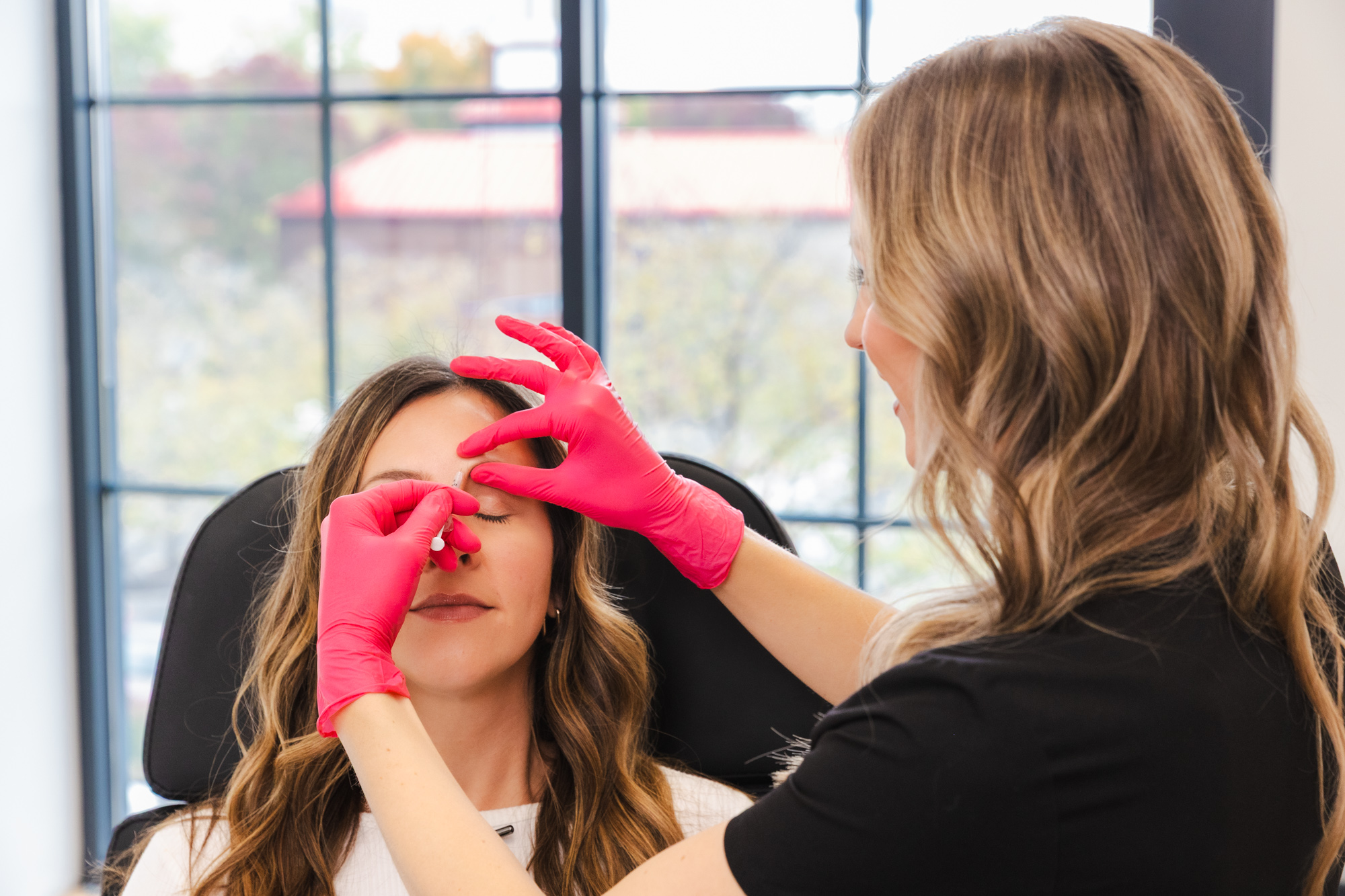
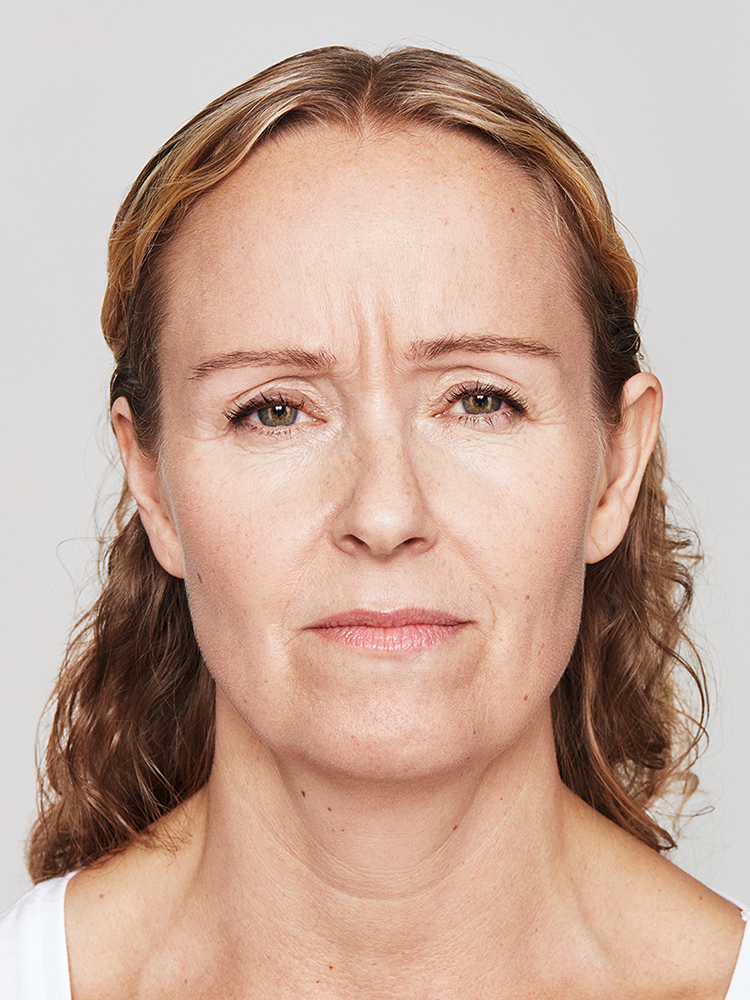
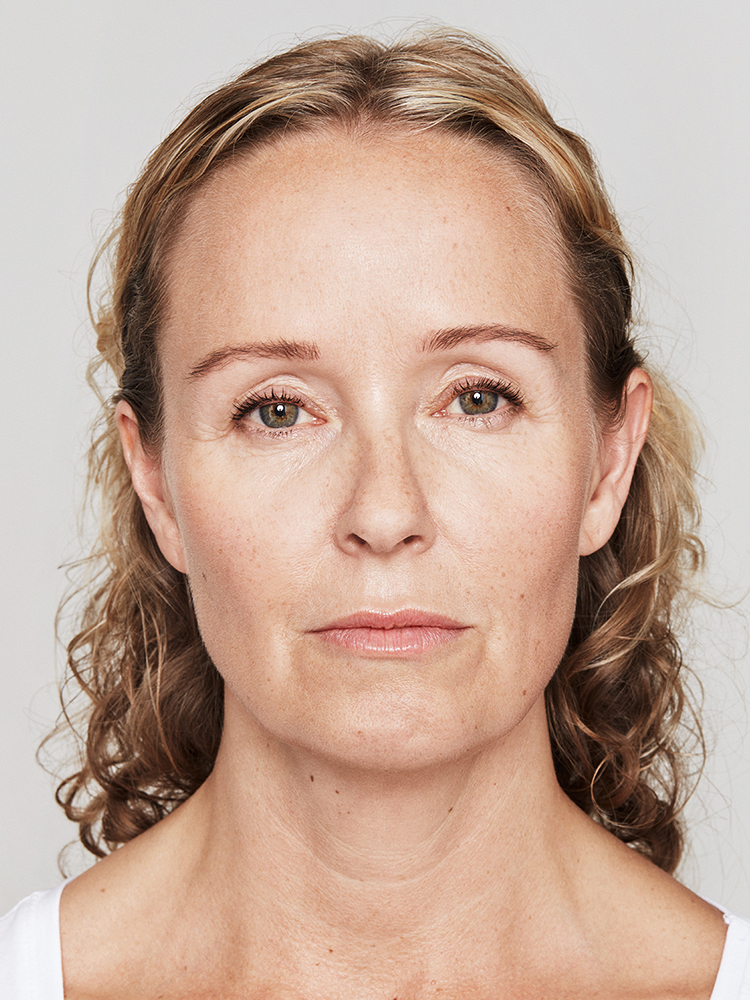
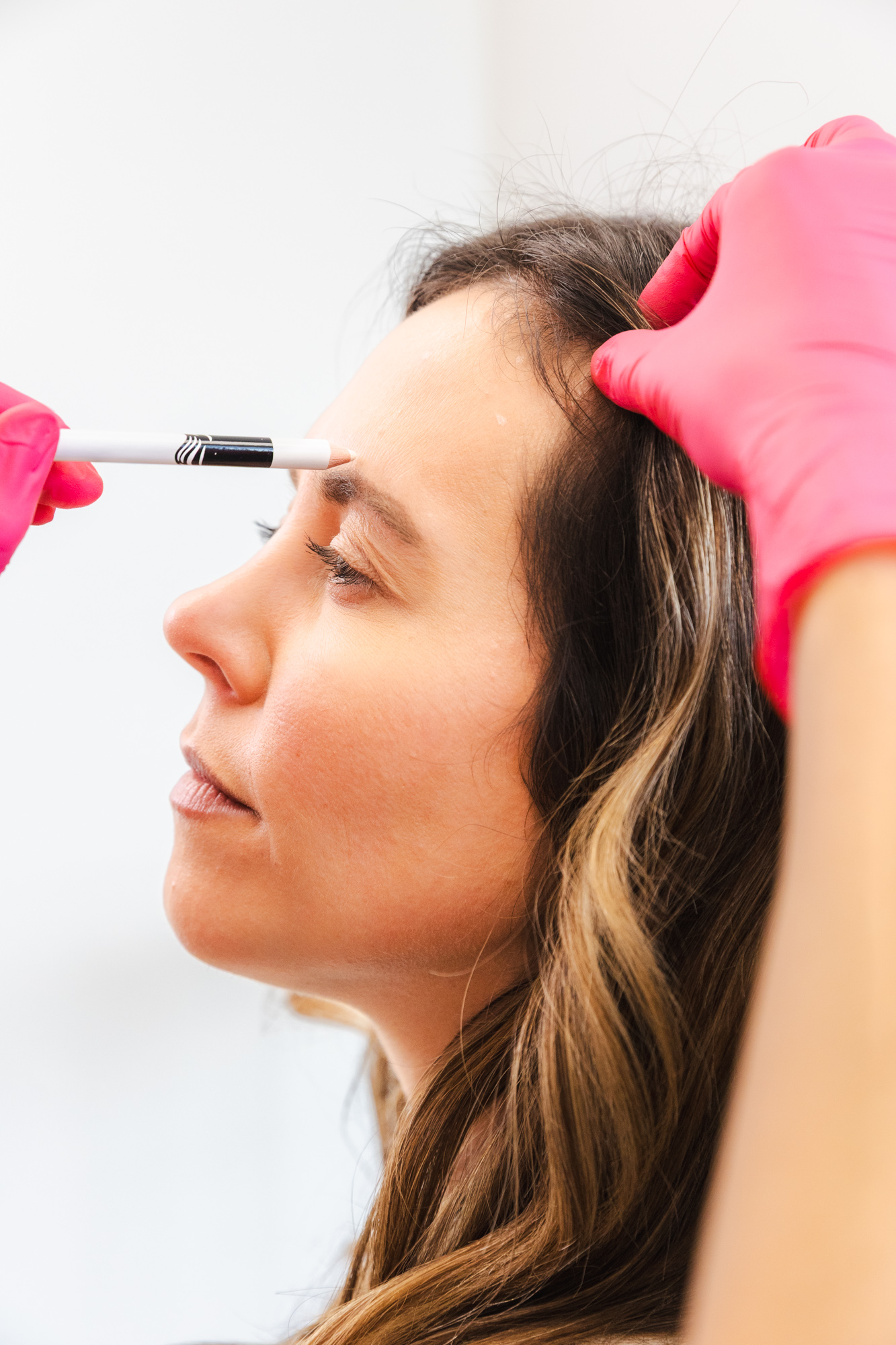
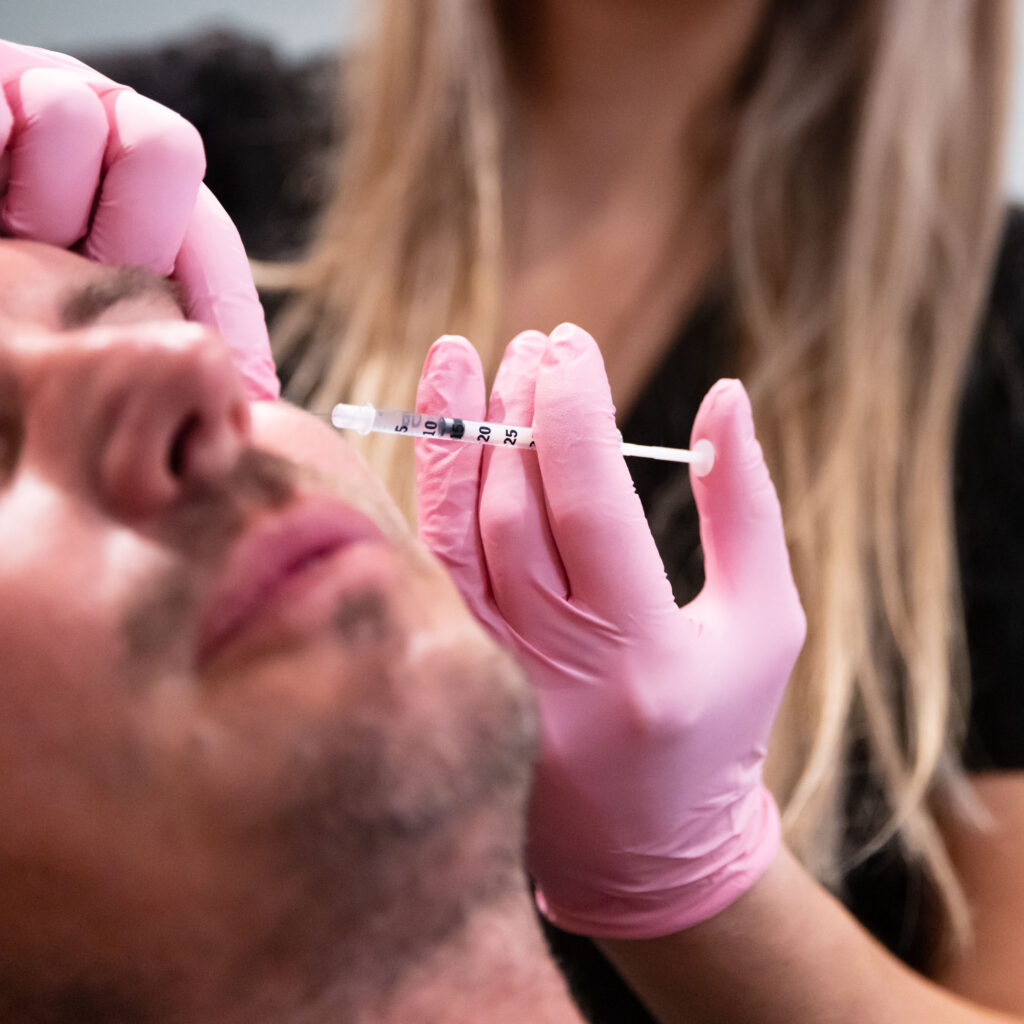
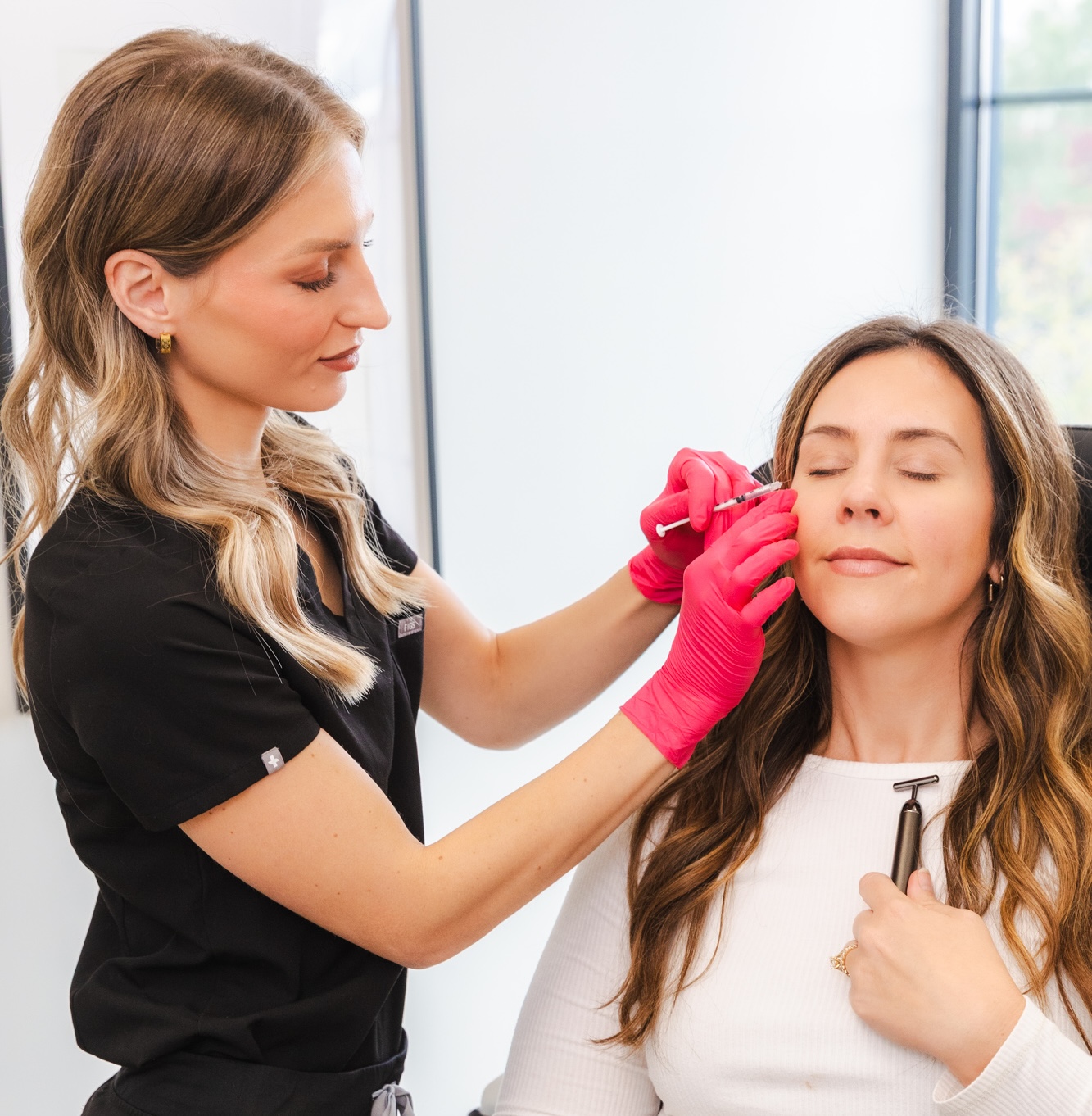
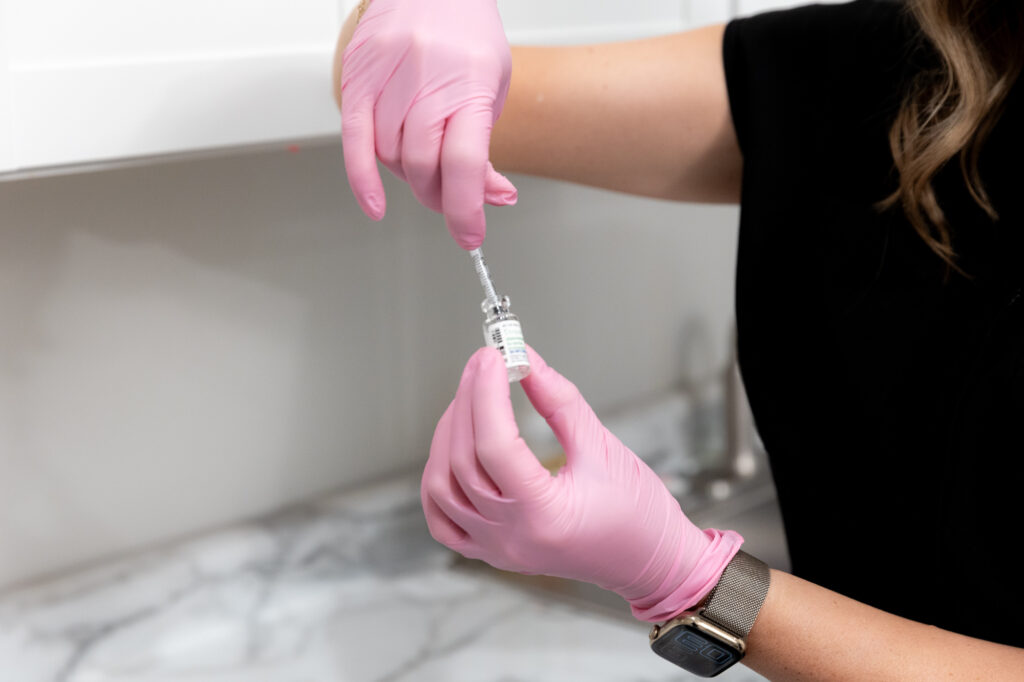
Most patients considering Botox are familiar with the aesthetic benefits, yet many remain unaware of its functional uses. Relaxing targeted muscles is a powerful tool for minimizing dynamic wrinkles, but this cosmetic injection can also relieve muscle tension to treat certain medical conditions.
While we do not treat these conditions at Blush Aesthetics, Botox can improve symptoms of:
Chronic Migraines
The FDA approves Botox for patients who experience 15 or more headaches each month, with 8 of these cases being true migraines that interfere with daily routines.
While muscle tension doesn’t cause migraines, a sensitive nervous system activates these headaches. When environmental factors irritate nerves near the temples or back of the head, your brain releases pain signals that increase inflammation, triggering the characteristic “throbbing” of this condition.
Common symptoms of migraines include:
- Sensitivity to light, sound, and smell
- Nausea and vomiting
- Dizziness or lightheadedness
- Sharp throbbing or pulsing near the temples
Botox alleviates migraine discomfort by blocking the nerves from sending the pain signals that trigger this condition. This makes Botox a preventative treatment, stopping headaches before they begin—even when underlying triggers persist.
At Blush, we recommend our patients schedule Botox in Columbus 12 weeks apart. While some patients experience migraine relief after a single session, the FDA recommends 2 to 3 appointments to experience the full preventative effect of treatment.
Overactive Bladder
It’s a common misconception that an overactive bladder (OAB) means urinary incontinence. In reality, OAB is a condition where the muscles in your bladder contract at the wrong time. This can cause leaks, but it more commonly creates the constant feeling of “having to go”—even when your bladder is empty.
Normally, the bladder (detrusor) muscles contract when your bladder is full. When you have an overactive bladder,
- Your nerves signal the detrusor to contract too early, OR
- The muscles tense involuntarily, disrupting your day and damaging your self-confidence
Common symptoms of an overactive bladder include:
- The sudden, strong urge to pee
- Frequent bathroom trips
- Waking up at night to urinate
To help you regain bladder control, our providers inject Botox into the detrusor muscle. This technique blocks the specific nerve signals that cause the bladder to squeeze prematurely. Alleviating this tension encourages the bladder to fill completely before signaling you to empty it.
The FDA recommends that patients seeking OAB relief through Botox in Columbus schedule their injections every 6 to 9 months—especially if oral medications remain ineffective. Bladder Botox is one of the longest-lasting medical uses, typically requiring maintenance appointments only 1 to 2 times a year.
Lazy Eye
The FDA originally approved functional Botox to treat strabismus (lazy eye). Characterized by off-center eyes, strabismus hinders depth perception while increasing brain fog and eye strain.
There are 6 muscles surrounding your eyes, each pushing and pulling the eyeballs to direct your gaze. When one muscle is too strong or weak, it imbalances the positioning. Over time, any weaker muscles stretch and strain, worsening the condition.
At Blush, our specialists carefully administer Botox into the overactive tissue. This temporarily relaxes the stronger muscle, allowing the opposite weaker one to regain control and center the eye. Gradually, this strengthens your muscles evenly to improve long-term eye alignment.
While corrective glasses and vision therapy offer long-term solutions for strabismus, patients who prefer a temporary solution may benefit from Botox. In Columbus, our providers recommend ‘Tox injections every 3 to 4 months. Some patients may correct mild misalignment with 1 or 2 sessions, but most benefit from a long-term strategy.